“coffee tree knowledge” search results (4000)

Basic knowledge of boutique coffee Venezuelan coffee
Venezuela introduced coffee trees from Martinique as early as 1730, but coffee production was almost abandoned at the height of the oil industry. Recently, coffee plantations have begun to recover, with original Tipica and bourbon coffee trees and new plantations laying the foundation for coffee exports.
2014-12-19 Boutique coffee basics common sense Venezuela as early as 1730
Coffee theory how much basic knowledge do you know about coffee?
Arabica is just a big division of the coffee tree pedigree. When it comes to the coffee tree pedigree, it is as long and complex as the genealogy, and the coffee beans produced by each different coffee tree have its own special flavor. At present, the three most important and productive coffee trees in the world are genealogies: Arabica, Robusta and Liberika. And it belongs to Arabica.
2016-05-31 Coffee theory know how much basic knowledge rabbi just coffee tree species spectrum
The knowledge of the growth process of coffee beans the growth habits of coffee
Coffee is a kind of drink, which gives the public the impression that it is black, bitter, sleepless and excited. The coffee beans we see in the coffee shop are tea-brown, which belongs to roasted coffee beans, while the color of the coffee liquid is amber. Coffee comes from coffee beans, which are harvested and processed from the fruit of trees. The growth habit of coffee: coffee
2015-10-14 Coffee beans growth process knowledge coffee habits a kind of beverage
Cultural knowledge of boutique coffee coffee originated in Ethiopia
Kafa, Ethiopia, which used to be a small village, has now developed into a region. This area is the first place in the world to find coffee. Coffee trees in many places are transplanted from here. Up to now, there are still more than 5,000 kinds of coffee trees in the region, most of which are not known to the world. Fortunately, these coffee trees have been used by the Ethiopian government.
2015-03-09 Boutique coffee culture common sense coffee originating from Ethiopia Ethiopia Kazakhstan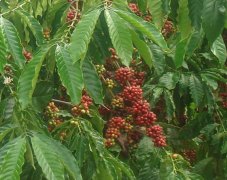
Basic knowledge of introduction to Coffee
The best growing area for coffee is between 25 degrees north latitude and 30 degrees south latitude. This region includes the heartland of many countries and parts of South America, Colombia, Africa, India, Asia, the Middle East and Hawaii.
2014-07-01 Coffee knowledge coffee basics coffee encyclopedia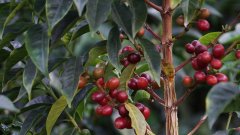
Types and characteristics of Coffee trees knowledge about Coffee trees
A single coffee tree but in places where coffee is artificially planted, people cut off the branches at the top of the coffee tree when it grows to three meters high, so that the coffee tree does not grow too high, so that it can be picked during harvest. According to the botanical classification, the coffee tree belongs to the domain: eukaryotic domain, Eukaryote kingdom: plant kingdom, Plantae phylum: angiosperm phylum, Magnoliophyta class.
2016-05-14 Coffee species characteristics about knowledge individual plant coffee is planted artificially
The basic knowledge of high-quality coffee
Coffee is a perennial evergreen shrub or small tree of Rubiaceae. It is a horticultural perennial cash crop with the characteristics of fast growth, high yield, high value and wide market. Wild coffee trees can grow to a height of 5 to 10 meters, but coffee trees planted on the manor are often cut to less than 2 meters in order to increase their fruit and facilitate harvesting. The opposite leaves of coffee trees are long oval.
2015-03-20 Coffee variety boutique basics common sense coffee grass perennial evergreen shrub
Boutique Coffee basic knowledge Coffee Tree Discovery Legend
For the discovery of coffee trees, the industry does not have a unified view, there are generally the following legends. 1. Legends of Shepherds in the 5th and 6th centuries, a young shepherd in Ethiopia, Kaldi, was herding his sheep when the sheep ate a kind of red berry and looked very excited. Cody was curious and ate some of these red berries, feeling refreshed.
2015-01-29 Boutique coffee basics common sense discovery legend for coffee industry
Basic knowledge of coffee cultivation basic knowledge of coffee
What is coffee? Coffee is the fruit of a Rubiaceae plant growing about 6000 feet above sea level, distributed on the world's narrow subtropical axis; coffee trees grow green all the year round and can grow up to 20 feet tall, and are generally controlled at 8 to 10 feet for easy harvest. It takes three to five years for the coffee tree to bear fruit. First of all, it produces small white flowers that resemble jasmine in shape and size.
2015-10-07 Coffee planting basics common sense what coffee growing in altitude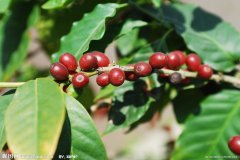
Coffee basic knowledge what conditions do you need to grow coffee?
Coffee is a perennial evergreen shrub or small tree of Rubiaceae. It is a horticultural perennial cash crop with the characteristics of fast growth, high yield, high value and wide market. Wild coffee trees can grow to a height of 5 to 10 meters, but coffee trees planted on the manor are often cut to a height of less than 2 meters in order to increase the amount of fruit and facilitate harvesting. The opposite leaves of coffee trees are long oval.
2015-06-21 Coffee basics common sense planting needs what conditions
The Discovery of Coffee trees legends basic knowledge of Coffee
For the discovery of coffee trees, the industry does not have a unified view, there are generally the following legends. 1. Legends of Shepherds in the 5th and 6th centuries, a young shepherd in Ethiopia, Kaldi, was herding his sheep when the sheep ate a kind of red berry and looked very excited. Cody was curious and ate some of these red berries, feeling refreshed.
2015-04-23 Coffee Discovery Legend Basics Common sense for Coffee Industry there is a
The growing Environment and characteristics of Coffee trees basic knowledge of coffee
Coffee gives the public the impression that it is black, bitter and excited after drinking sleepless beverages. The coffee beans we see in the coffee shop are brown, roasted beans and amber. Coffee comes from coffee beans, which are harvested and processed from the fruits of coffee trees. Coffee trees grow at the center of the equator, south.
2015-04-24 Coffee growth environment characteristics basics common sense coffee mass like black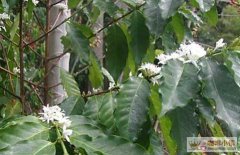
Basic knowledge of coffee types of coffee
Coffee is called coffea in the biological genus. The genus is a member of the Rubiaceae family. It has more than 500 species and more than 6000 species, most of which are tropical trees and shrubs. From the point of view of drinkers, coffee trees can be roughly divided into five types, of which Arabica and Robusta are more common. Arabica species account for 70% of the world's total output.
2014-11-04 Coffee knowledge coffee basics coffee types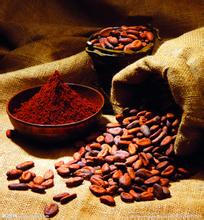
The basic knowledge of making coffee what is the knowledge of coffee?
Coffee trees can be roughly divided into five types, of which Arabica and Robusta are more common. Arabica species, which account for more than 70% of the world's total output, are generally grown on slopes above 900 meters above sea level and are mostly found in tropical high-altitude areas such as Central and South America, East Africa, Southeast Asia and Hawaii. Its pleasant aroma, rich taste, and the tree species need
2016-05-26 Production coffee basics knowledge which roughly is divided into 5 kinds of which
Characteristics of Coffee Tree basic knowledge of Fine Coffee
1. Root: coffee root is a conic root system. 2. Stem: the stem of coffee, also known as the trunk, is developed from straight branches. 3. Leaves: simple leaves opposite, green, oval to long elliptic. Flowers: flowers are white and fragrant. 5. Fruit: the fruit is a drupe, usually containing 2 seeds, as well as single and 3 seeds.
2015-01-29 Coffee characteristics boutique basics common sense coffee cones roots stems also known as
Characteristics of Coffee Tree Coffee basic knowledge
1. Root: coffee root is a conic root system. 2. Stem: the stem of coffee, also known as the trunk, is developed from straight branches. 3. Leaves: simple leaves opposite, green, oval to long elliptic. Flowers: flowers are white and fragrant. 5. Fruit: the fruit is a drupe, usually containing 2 seeds, as well as single and 3 seeds.
2015-04-23 Coffee characteristics basics common sense coffee cones roots stems also known as trunk
Knowledge of planting Coffee beans there are four types of coffee trees
Coffee comes from Ethiopian curry. In Colombia, it was brought by a priest from the French Antilles via Venezuela in 1808. At present, Colombia is the fourth largest coffee producer in the world, behind Brazil, Vietnam and Indonesia. Finally, I have an opportunity to witness the formation of coffee. This is a visit to QUINDIO, Colombia.
2015-01-16 Coffee beans planting knowledge coffee tree species a total of four types derived from Ethiopia
Coffee knowledge Coffee Origin South Africa
It is fragrant with less acidity, reminiscent of coffee beans from Central America. Coffee production in South Africa (South Africa) is mainly in the northeast of the country, from Natal between Transvaal and Mozambique, extending northward to Transvaal, with the southernmost limit of latitude 30 south; further south, coffee cannot be grown due to the harm of early frost.
2014-10-09 Coffee knowledge coffee producing area
Boutique coffee beans knowledge coffee producing area in South Africa
It is fragrant with less acidity, reminiscent of coffee beans from Central America. Coffee production in South Africa (South Africa) is mainly in the northeast of the country, from Natal between Transvaal and Mozambique, extending northward to Transvaal, with the southernmost limit of latitude 30 south; further south, coffee cannot be grown due to the harm of early frost.
2015-01-07 Boutique coffee beans knowledge coffee origin South Africa taste aroma acidity less
Coffee knowledge the growth conditions of coffee
The planting conditions of Ethiopian coffee trees originating in Africa are tropical or subtropical, that is, between the south and north latitudes of 25 degrees; the ideal altitude is 500-2000 meters, and the warm climate with a temperature between 18-25 ℃ must have rainfall of 1500-2250 mm throughout the year, and the rainfall time should be able to match the flowering cycle of coffee trees; adequate sunshine, good ventilation and drainage
2014-09-18 Coffee knowledge coffee growth growth conditions